June 23, 2026
By ZHATEYA JONES
For many families, conversations about death, inheritance and estate planning are often delayed until a crisis occurs. Two of Mecklenburg County’s leading voices on probate and estate administration this morning urged residents to prepare long before those difficult moments arrive.
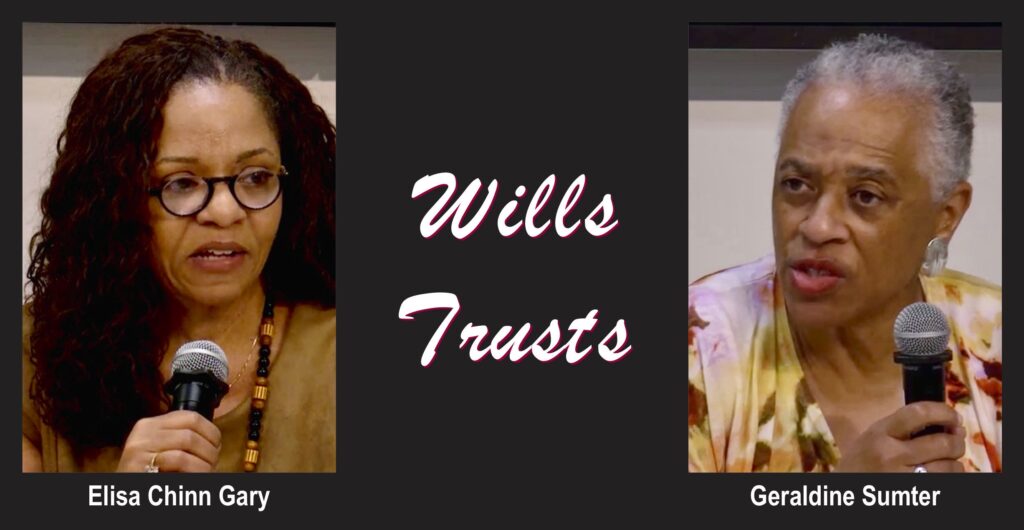
The forum featured Elisa Chinn Gary, Mecklenburg County Clerk of Superior Court and Judge of Probate, and veteran attorney Geraldine Sumter, who provided practical guidance on wills, trusts, probate and protecting family assets.
Their shared message was simple: Having a plan is one of the greatest gifts you can leave behind.
As the first Black person elected to serve as Mecklenburg County Clerk of Superior Court and Judge of Probate, Chinn Gary oversees the administration of wills and estates throughout the county.
“When someone passes away, particularly when it happens unexpectedly, families often find themselves overwhelmed,” she said.
The Clerk’s Office serves as the official safekeeper of wills and helps guide families through the probate process. When a valid will exists, the court ensures the deceased person’s wishes are followed. When there is no will, North Carolina law determines how assets are distributed.
“In those situations, the state essentially provides the instructions,” Chinn Gary said. “The law establishes who has priority, how creditors are notified and paid, and how the estate is administered.”
A will should be detailed and specific, she said. Any gaps left within the document may require interpretation and administration through the court process.
For individuals navigating the death of a loved one without a will, Chinn Gary encouraged families to visit the Clerk’s Office in person with a death certificate to begin receiving guidance and resources.
“The best opportunity to get information is to walk into the Clerk’s Office,” she noted. “We have an information desk and staff available to assist.”
Attorney Geraldine Sumter began her presentation by addressing one of the most common misconceptions in estate planning.
“People are constantly told they don’t need a will; that they need a trust,” she said. “The reality is that most people need both.”
A will is a legal document that outlines how a person’s property should be distributed after death.
For a typed will to be valid in North Carolina, it must be signed in the presence of two witnesses and properly notarized. Handwritten, or “holographic,” wills may also be accepted if they meet specific legal requirements.
Sumter stressed the importance of preserving the original document.
“When you die, the court wants to see the original will,” she explained. “If the original is lost, there is a procedure for proving a lost will, but it becomes much more complicated.”
A will also allows individuals to name an executor – the person responsible for carrying out their final wishes and managing the estate through probate.
“You should always name an executor and an alternate executor,” Sumter advised.
A trust functions differently than a will because it becomes effective while the creator is still alive.
An estate consists of everything owned in an individual’s name, including homes, vehicles, jewelry, bank accounts, land, intellectual property and other assets.
A trust, however, becomes the owner of assets that are transferred into it.
For example, a homeowner may transfer ownership of their property into a trust through a deed. Once transferred, the trust, not the individual’s estate. owns the property.
“The trust must be funded,” Sumter emphasized. “You can’t simply create a trust and leave it empty.”
Funding can include transferring real estate, cash, bank accounts, investments or personal property into the trust’s name.
Most people name themselves as the initial trustee, maintaining full control of the assets during their lifetime. They then designate successor trustees who can step in if they become incapacitated or pass away.
One of the most important lessons from the discussion was that trusts do not eliminate the need for wills.
“Very few people have every single asset placed into a trust,” Sumter said.
She offered an example involving life insurance. If a beneficiary dies before the policyholder and no alternate beneficiary is named, those proceeds may become part of the estate rather than the trust.
In that case, someone must have legal authority to access and manage those funds.
“If it isn’t in the trust and you still have an interest in it, it may go through the estate,” she said.
Many attorneys address this issue through a “pour-over will,” which directs any remaining assets into the trust after death.
“It’s not necessarily that people want to avoid probate,” Sumter noted. “Often they simply want to maintain privacy and keep family matters out of public view.”
Both speakers encouraged attendees to think carefully about who they appoint to manage their affairs.
“When selecting an executor, don’t automatically choose the oldest child or oldest family member,” Sumter said.
Instead, she recommended choosing someone who is:
- Organized and detail-oriented
- Financially responsible
- Willing to follow legal procedures
- Capable of handling family dynamics
- Respected by relatives
“You need someone who can go by the book and maintain family trust during a difficult time,” she said.
The same principles apply when selecting trustees.
As people age, Sumter suggested naming someone from a younger generation.
“If you continue living a long life, your peers may be dealing with the same health challenges you are,” she said. “Sometimes it’s better to look a generation down.”
Audience members raised questions about whether trusts can protect assets from creditors and Medicaid recovery claims.
Sumter said creditors generally pursue claims against whichever entity owns the asset, whether that is the estate or the trust.
However, certain trusts are used as part of long-term planning strategies.
Under current Medicaid recovery rules, the government may seek reimbursement from a deceased person’s estate for nursing home or in-home care expenses paid on their behalf.
“If property has been transferred to a properly structured trust at least five years before Medicaid assistance is needed, that may provide protection from estate recovery,” Sumter said.
She cautioned that these situations are highly individualized and should be discussed with an attorney.
When asked about barriers preventing more people of color from establishing wills and trusts, both speakers pointed to one recurring issue: lack of information.
“The greatest barrier is education,” Sumter said.
Many residents simply do not realize how important estate planning can be until a family member passes away.
She encouraged community members to take advantage of legal aid programs, bar association clinics and pro bono services that assist older adults with preparing estate documents.
Another common challenge involves ensuring names are consistent across legal documents.
“Your name should match exactly on everything,” she advised, noting that discrepancies can delay administration and create unnecessary complications.
Throughout the discussion, one theme remained clear: Estate planning is not only about money. It is about protecting loved ones from confusion, conflict and unnecessary hardship.
Whether through a will, a trust, or both, having a documented plan provides guidance when families need it most.
As Chinn Gary reminded attendees, resources are available before a crisis occurs. The time to ask questions is now, not after a loved one has passed.
For many families, the conversation about legacy begins with a simple document. But the impact can last for generations.